
Davidson, NC 28036 · Lake Norman
24/7 Water Damage Restoration in Davidson, NC
Answering 24/7, including nights and weekends
Answered 24/7
A live person, day or night, weekends and holidays
Insured crews
Licensed where North Carolina requires it
Scope and price first
In writing, before any work starts
Documented for your insurer
Photos, moisture readings and daily drying logs
Water damage restoration company · Davidson
From the first wet floor to a documented dry house
Most water losses in Davidson start small: a toilet supply line in River Run, a water heater giving out in a Summers Walk garage, a crawl space that has been damp since June. The puddle you can see is rarely the whole job. Water runs along subfloor seams, wicks up drywall and drips into the crawl space, where lake-season humidity keeps it from drying on its own.
Call (831) 303-1192 at any hour and a live person answers. Ultra Mold & Water Pros connects Davidson homeowners, landlords and Main Street businesses with independent restoration technicians who extract, dry and document the job. You get a written scope and price before work starts, and the same dispatch covers Cornelius, Mooresville, Huntersville, Kannapolis and Concord across our Lake Norman service areas.
Reviewed by the Ultra Mold & Water Pros team · Published · Updated · Process references: ANSI/IICRC S500 and S520 practices, EPA moisture and mold guidance, NC Department of Insurance consumer guidance
What water damage restoration means
Water damage restoration in Davidson, NC is the work of stopping a leak's damage and returning the house to a dry, sound condition: controlling the source, mapping where moisture spread, extracting standing water, drying framing and floors with air movers and dehumidifiers, cleaning affected areas, documenting readings for the insurer, and planning any rebuild by licensed trades.
Call (831) 303-1192Services
Water, mold and fire services for Davidson homes, rentals and businesses
Seven services built around the way Lake Norman houses get wet: supply lines and water heaters in subdivision homes, crawl spaces that stay damp all summer, drains that back up, and the water left behind after a fire.
Not sure which one you need?
Tell us where the water came from and how long it has been wet. We will point you to the right first step.
(831) 303-1192Water and mold problems we see in Davidson homes
Davidson sits on the east shore of Lake Norman in Mecklenburg County, and by housing age it is a young town: it grew by more than a third between 2010 and 2020, reaching 15,106 residents at the 2020 Census. Newer does not mean drier, as calls from ZIP 28036 show.
Vented crawl spaces and Lake Norman humidity
Most boom-era homes around the lake sit on vented crawl spaces. From May through October those spaces commonly hold relative humidity above 80%, and on muggy days open vents pull wet air in rather than letting it out. Wood held above roughly 19 to 20% moisture content supports mold and decay, so sagging insulation, a torn vapor barrier and a musty smell upstairs tend to show up together. That is the core of crawl space mold removal and water cleanup.
Red clay that holds rain against the foundation
Piedmont red clay of the Cecil series drains slowly. After a long storm, rain sits against the foundation wall, and a short downspout or a yard graded toward the house sends it straight under the floor. Standing water under the house after rain is usually a grading and gutter problem first.
Supply lines and water heaters in River Run, Bradford and Summers Walk
Subdivisions built from the 1990s through the 2010s are now 15 to 30 years old, the age when original toilet supply lines, washing machine hoses, ice maker lines and tank water heaters give out. A failure upstairs runs through the ceiling below and into wall cavities, everyday work for burst pipe and appliance leak cleanup.
Older plumbing near Davidson College and Main Street
Closer to Davidson College and along Main Street (NC-115), older houses carry aging supply and drain piping under mature trees, and roots work their way into old sewer laterals. A slow drain that turns into a backup at the lowest fixture calls for sewage cleanup, not a mop.
Storm remnants and the occasional hard freeze
Summer thunderstorms and tropical remnants bring roof leaks, wind-driven rain at windows and yard flooding. Hard freezes are rare, but the December 2022 cold snap burst pipes across the Charlotte area, mostly in crawl spaces, attics, garages and exterior walls. Anything left wet for more than a day or two can end in mold remediation, which is why fast water extraction and structural drying matters.
Sloped lake lots, walk-out lower levels and the floodplain question
Many lots west of I-77 and around Davidson Bay slope toward the water, so storm runoff and a failed gutter send water to the lowest wall of the house: the crawl space, a garage slab or a finished walk-out lower level. Mecklenburg County has almost 20,000 acres of regulated floodplain with about 2,700 homes and businesses inside it, according to the City of Charlotte's floodplain maps. Most Davidson homes sit outside those lines, and that is the point: a house does not need to be in a mapped floodplain to take on storm water, and a neighborhood name does not predict a loss.
On a sloped lot or a lower-level loss, ask the crew three things: was the crawl space or the space under the lower floor inspected, how will moisture be measured beneath hardwood and behind cabinets and finished walls, and is the drying equipment being adjusted to daily readings and to Lake Norman humidity.
Hardwood, built-ins and tile: what can be saved
Site-finished hardwood, built-in cabinetry, tile over a wood subfloor and the trim packages common in River Run and the lake homes are expensive to replace, so the honest conversation is not whether everything can be saved. It is what the crew will try to dry in place, what the moisture readings show, the risk of leaving a material in place, and the replacement scope if drying does not work. Cupped boards often flatten as the subfloor and crawl space dry; swollen particleboard cabinet bases usually do not.
Rentals, student housing and Main Street businesses
Davidson has landlords with student rentals near the college, townhome and condo associations, and shops and restaurants on Main Street. Those jobs add coordination: tenants who need notice, property managers who approve the scope, after-hours access so a business can open in the morning, and drying equipment placed where it does not block an exit. Commercial and rental properties are dispatched the same way as homes, with the scope and price going to whoever authorizes the work.
What to do in the first 30 minutes
The first half hour decides how far the water travels. Protect people first, then the house, then the claim.
- Stop the water if you can reach a valve safely. Close the fixture valve or the main shut-off, often in the garage, a utility closet or the crawl space.
- Cut power to wet rooms at the breaker only if the panel is in a dry spot and you are standing on a dry floor. Otherwise leave it for an electrician.
- Photograph before you move anything. Wide shots of each room, then close-ups of water lines, wet flooring, the failed part and damaged belongings. Note the time.
- Move what you can lift safely. Rugs, electronics and papers go to a dry room.
- Call in the right order: a plumber if a pipe is still leaking, (831) 303-1192 for extraction and drying, then your insurer to open a claim.
Document before you move anything
- Write down the date and the time you found the water, and what you did to stop it.
- List each wet room, floor, appliance and finish, and the belongings you moved or set aside.
- Keep receipts for fans, tarps, a hotel night, meals out and any plumber or electrician you call.
- Ask your insurer where to send photos, moisture readings and estimates, and keep a copy of everything you send.
Photos protect the claim, but they never come before safety. If water is near wiring or a ceiling is sagging, get out and call first.
What not to do
- Do not run a household vacuum on water, and never use any vacuum on sewage.
- Do not switch on lights or fans under a wet or sagging ceiling.
- Do not throw out damaged items before they are photographed and listed.
- Do not wait for the house to air out. EPA guidance is to dry wet building materials and furnishings within 24 to 48 hours to prevent mold growth.
A longer checklist is in what to do in the first 24 hours after water damage.
How it works
From the first call to a documented, finished job
- 1
Call any hour
A live person answers 24/7 and asks about the source, the rooms affected and safety.
- 2
Nearest crew dispatched
The nearest available crew heads to your address. Drive time depends on distance, weather and other active jobs, so no arrival time is promised.
- 3
Scope and price in writing
After inspection and moisture mapping you get an itemized scope and price before any work starts.
- 4
Dried, documented, done
Drying runs until readings hit the target, with daily logs and photos your insurer can use.
What the first call covers
- 1Where the water is coming from, and whether it has stopped.
- 2Whether water is near outlets, the panel or appliances.
- 3How long the area has been wet, and which rooms and floors are affected.
- 4Whether it smells like sewage or came in from outside.
- 5Your address, and whether the house has a crawl space or a finished lower level.
- 6Your insurer and claim number if you have them, and what the first visit will include.
Phone answering is 24/7. Visit times depend on crew availability and are confirmed on the call; we do not advertise an arrival time we cannot keep.
Common causes, warning signs and what to do right now
This table is a first-hour guide, not a diagnosis: the water category is confirmed on site, and it can worsen with time and contact.
| Cause | Warning signs | What to do now | Water category | Call priority |
|---|---|---|---|---|
| Burst pipe or failed supply line | Spraying water, a hiss inside a wall, water under a sink or toilet, a drop in pressure | Close the valve or main, stay clear of wet electrical, photograph | Category 1 at first; it degrades if left sitting | Call now |
| Appliance or water heater leak | Water around the washer, dishwasher, refrigerator or tank, rust at the tank base | Close the supply valve, shut off power or gas to the water heater, photograph the unit | Category 1 from a supply line; Category 2 from washer or dishwasher discharge | Call now if water is spreading |
| Roof or storm water | A ceiling stain that grows after rain, a dripping light fixture, wet sills or thresholds | Catch drips, stay out from under a sagging ceiling, leave roof tarping to a crew | Category 1 or 2 from a roof leak; Category 3 if surface water came in | Call now if a ceiling sags or water is still entering |
| Sewage backup | Water rising in a tub, shower or floor drain, gurgling toilets, a sewage smell | Stop using water in the house, keep people and pets out, do not mop or vacuum | Category 3 | Call now |
| Crawl space moisture | Musty smell upstairs, cupped hardwood, fallen insulation, standing water after rain, sweating ducts | Look in from the access door and photograph; do not crawl through water near wiring | Category 1 or 2 from a plumbing leak; Category 3 with sewage or outside floodwater | Call now for standing water; within a few days for smell or damp |
| Slow hidden leak | Bubbling paint, soft drywall, a stain that spreads slowly, a swollen cabinet base, a higher water bill | Close the nearest valve if you know the source, photograph, note when you first noticed it | Often starts as Category 1 and degrades to 2 or 3 over time | Call within a day or two |
Hidden moisture signs to check
- A musty smell that comes back after cleaning.
- Hardwood that cups, with board edges higher than the centers, or tile that sounds hollow.
- Paint that bubbles, or baseboards pulling away from the wall.
- A ceiling stain with a darker ring that keeps growing.
- Swollen or peeling cabinet bottoms under a sink or beside the dishwasher.
- Indoor air that feels sticky even with the air conditioning running.
What happens after you call
A small kitchen leak may need only a few of these steps; a two-story supply-line failure needs all of them. They follow industry practice in ANSI/IICRC S500, the water damage standard most drying plans are built on.
- Source control. The leak is stopped or isolated. If the pipe or wiring needs repair, a licensed plumber or electrician does it; the drying crew does not.
- Inspection and moisture mapping. Technicians use moisture meters and thermal imaging to trace where water went behind walls, under flooring and into the crawl space, set the water category and drying class, and sketch the wet area.
- Extraction. Truck-mounted or portable extractors pull standing water out of carpet, pad and hard floors. Every gallon removed here is one the dehumidifiers never have to pull from the air.
- Structural drying with daily readings. Air movers and dehumidifiers are placed from the moisture map. Psychrometry is the plain-English part: measuring air temperature, humidity and the moisture in the materials themselves to decide whether drying is working. Those readings are logged each day, and equipment is moved as areas dry.
- Cleaning and antimicrobial treatment where appropriate. Category 2 and 3 losses need cleaning and often removal of porous materials such as pad and drywall. Antimicrobials support that work but never replace drying.
- Contents. Belongings are moved, cleaned or packed out; anything unsalvageable is photographed and listed first.
Mitigation first, reconstruction second
Mitigation is everything above: keeping the damage from growing. Reconstruction puts back drywall, trim, cabinets, flooring and paint, and is scoped, priced and authorized separately, with its own estimate method, payment milestones and change-order process written down before it starts.
Rebuild work goes to licensed contractors. In North Carolina, a construction project costing $40,000 or more requires a general contractor licensed by the NC Licensing Board for General Contractors, and plumbing and electrical repairs need NC-licensed plumbers and electricians.
What drives the cost of water damage restoration in Davidson
No single number fits every leak. Your price comes after an inspection, in writing, before work starts. These factors move it.
| Factor | Why it changes the price |
|---|---|
| Water category | Clean supply water can often be dried in place; gray and black water add cleaning, protective gear and removal of porous materials. |
| Area and floors affected | A second-floor leak that reaches the first floor and the crawl space needs more equipment, more readings and more days. |
| Materials | Carpet and pad, solid or engineered hardwood, tile, built-in cabinets and plaster dry at different rates, and some must come out. |
| Time since the water started | Materials that stayed wet longer are harder to save and more likely to need mold work. |
| Crawl space access | Low clearance, standing water, fallen insulation and a torn vapor barrier all add labor. |
| Contents | Moving, blocking, cleaning or packing out furniture and belongings. |
| Reconstruction | Drywall, flooring, cabinetry and paint after drying, priced as its own scope. |
Many insurers and contractors price water losses in Xactimate, an estimating software that lists each task as a line item. Whatever the method, ask for line items you can compare between bids. Our guide to water damage restoration cost around Lake Norman walks through each factor.
What a written estimate should show
- The source-control assumption: whether the leak is fixed, and by whom.
- The affected areas and materials, matching the moisture map.
- Extraction, removal of wet materials, and the drying equipment with the expected number of days.
- Cleaning, and antimicrobial treatment only where the water category calls for it.
- Contents handling, then repairs and finish replacement as a separate reconstruction scope.
- Exclusions, payment milestones and how change orders are approved.
A vague total with no line items is hard to compare between companies and hard for an adjuster to review.
Insurance for water damage: ordinary leaks, flood and your documentation
Coverage depends on your policy and the facts of the loss, so read your own policy and ask your agent or adjuster; the North Carolina Department of Insurance publishes consumer guidance on homeowners coverage. In general, a standard North Carolina homeowners policy (HO-3) covers sudden and accidental water discharge, such as a burst pipe or failed supply line, and the damage it causes. Many policies exclude repairing the failed part itself, long-term leaks, seepage and wear and tear.
Policies also expect reasonable steps to limit the damage, such as stopping the water and starting drying.
Flood is a separate policy
Rising surface water from outside counts as flood, and homeowners policies exclude it. Flood coverage comes from the National Flood Insurance Program (NFIP) or a private flood carrier, and NFIP policies usually have a 30-day waiting period. FEMA flood maps and the floodplain information published by Charlotte-Mecklenburg Storm Water Services show whether a property sits in a mapped floodplain, but storm runoff can still reach a house outside one.
Sewer backup and mold
Sewer or drain backup is usually excluded unless the policy carries a water backup endorsement. Mold coverage is often excluded or capped unless the mold grew from a covered sudden loss.
The documentation file
Crews build the record an insurance adjuster asks for:
- Dated photos and video of the source, every affected room and damaged belongings.
- The moisture map and readings from the first visit.
- Daily drying logs with equipment counts and humidity readings.
- An itemized scope of work and a contents list.
- A meeting with the adjuster on site when one is scheduled.
The policy decides coverage, not the contractor. Read more in does homeowners insurance cover water damage in North Carolina.
How to choose a water damage restoration company in Davidson
North Carolina has no state license for water damage restoration or mold remediation, so what matters is insurance, who does the trade work, and what you get in writing. Ask these before anyone starts:
- Can you show current proof of insurance for the people working in my house?
- Who repairs the pipe or the wiring, and are they NC-licensed plumbers and electricians?
- Will I get a written scope and price before work starts, with mitigation and rebuild listed separately?
- Does the drying plan follow ANSI/IICRC S500, and will I see daily moisture readings and the final dry readings?
- Who does the rebuild, and if it reaches $40,000 or more, which NC-licensed general contractor takes it on?
- Can I read reviews with the platform, the date and the kind of job? A star rating on its own says little about how a drying job was run.
Every restoration technician we send is licensed where North Carolina requires it, and insured. Ultra Mold & Water Pros answers the phone and dispatches: we connect callers with independent restoration technicians who perform the work, send the nearest available crew, and keep the scope, price and readings in writing. Read how our dispatch and documentation work, or call (831) 303-1192 with questions.
Why choose us
Why Davidson calls Ultra Mold & Water
Answered 24/7
A person picks up nights, weekends and holidays.
Price before work
A written scope and price before drying starts, with any changes added as written change orders.
Dry by the numbers
Moisture readings at the start, daily logs during drying and final readings before the equipment leaves.
The crawl space gets checked
Most homes here sit over a vented crawl space, so it is inspected on every water job.
Insured technicians
Every restoration technician we send is licensed where North Carolina requires it, and insured.
Davidson and the lake towns
Davidson, Cornelius, Mooresville, Huntersville, Kannapolis and Concord, all within about 35 minutes of downtown Davidson by road.
How we are set up, in plain terms
Every restoration technician we send is licensed where North Carolina requires it, and insured. Ultra Mold & Water Pros connects you with independent restoration technicians who perform the work. North Carolina does not license water damage or mold work, so ask any company for proof of insurance and a written scope. More about how we work.
- Live answer 24/7
- Written scope and price
- Moisture readings for your claim
Service areas
Water damage restoration around Davidson and Lake Norman
Davidson plus five towns within about 5 to 35 minutes by I-77, NC-115 and NC-73, in Mecklenburg, Iredell and Cabarrus counties.
Crews work across Davidson, NC 28036: Historic Downtown and Main Street, the streets around Davidson College and Roosevelt Wilson Park, River Run and the River Run Country Club area, Bradford, Summers Walk, Davidson Bay by Lake Davidson, Lakeside Park, the lakefront homes and condos west of I-77, and the small part of town that crosses into Iredell County. The same dispatch covers five nearby towns: Cornelius next door, Mooresville up I-77 or NC-115, Huntersville to the south, and Kannapolis and Concord to the east along NC-73. Homes, rentals, condos and businesses are all covered. Arrival times depend on open emergencies, distance, access and weather, and you hear a realistic window on the call. Pick your town below for local details.
Water damage restoration in Cornelius, NC
Mecklenburg County · 5 to 10 minutes from Davidson
Crawl space moisture, mold and leak cleanup for boom-era and lakefront homes.
Water damage restoration in Mooresville, NC
Iredell County · 10 to 15 minutes from Davidson
Drying and mold work for mill-village houses and Lake Norman peninsula homes.
Water damage restoration in Huntersville, NC
Mecklenburg County · 12 to 18 minutes from Davidson
Pipe-burst, ceiling-leak and mold cleanup for 1990s to 2010s subdivision homes.
Water damage restoration in Kannapolis, NC
Cabarrus County · 20 to 25 minutes from Davidson
Sewage, pipe-leak and fire cleanup for mill-era homes.
Water damage restoration in Concord, NC
Cabarrus County · 25 to 35 minutes from Davidson
Water, mold and smoke cleanup from Union Street to the west-side subdivisions.
Reviews
What Davidson customers say
Customer reviews are on the way
This site is new, and we only publish reviews from real customers, word for word, with their permission. You will not find made-up testimonials or a star rating here until genuine reviews come in. In the meantime, ask us anything on the phone and judge us by the written scope you get before work starts.
Ultra Mold & Water Pros publishes verified reviews only.
Water and mold guides
Answers before you call
6 min read
Water Damage at Home: What to Do in the First 24 Hours
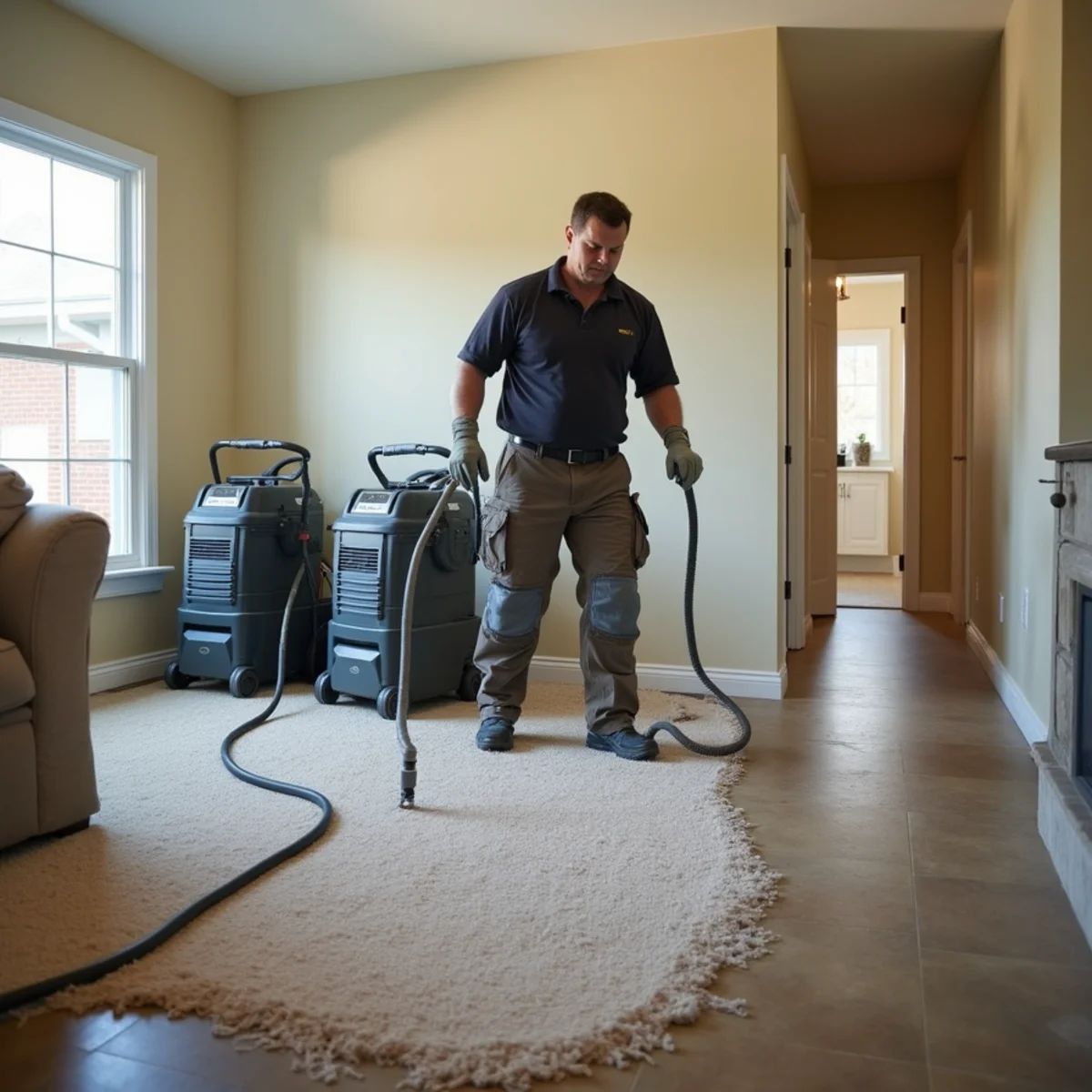
The first day after a leak decides how much of your house dries in place and how much gets cut out. Here is the order that works: safety, the source, photos, water removal, then drying.
Read the guide
6 min read
Does Homeowners Insurance Cover Water Damage in North Carolina?
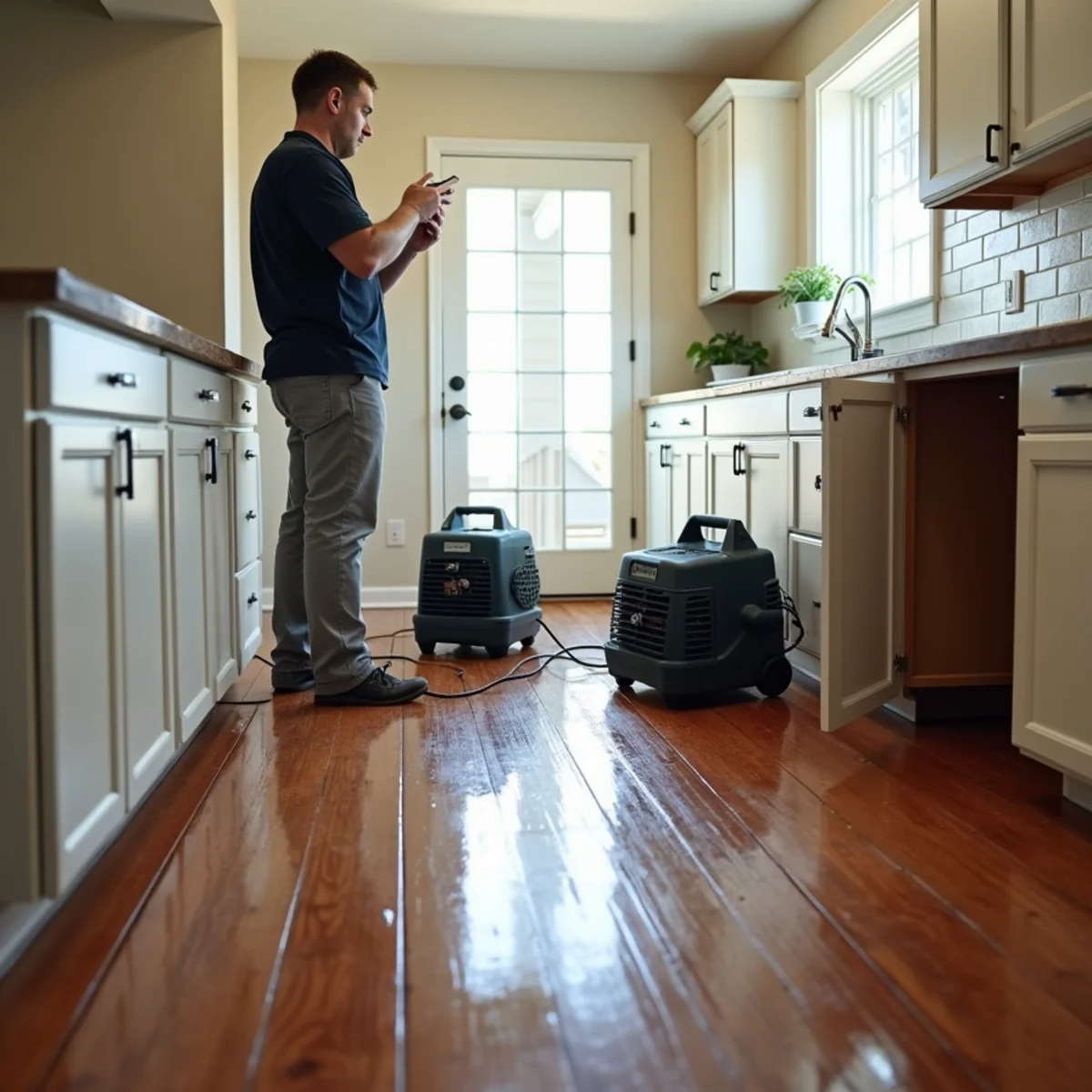
Most North Carolina homeowners policies treat a sudden burst pipe very differently from a slow leak, a flood or a sewer backup. Here is how the usual rules work and what you can do to keep a claim clean.
Read the guide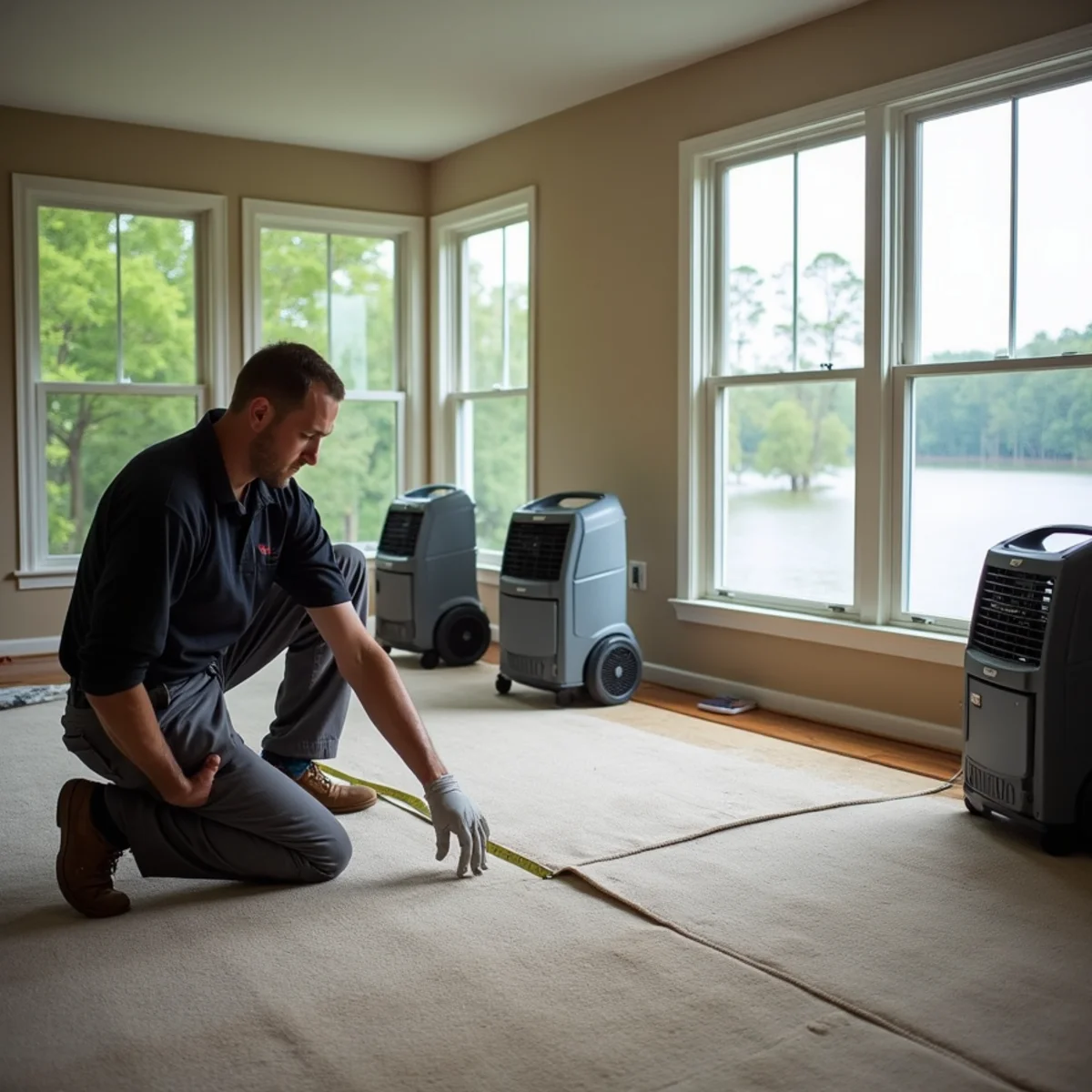
6 min read
What Drives Water Damage Restoration Cost Around Lake Norman?
Two leaks that look the same in photos can produce very different restoration bills. These are the factors that set the price on a Lake Norman water job, plus what national and Charlotte-area cost guides publish.
Read the guideCommon questions about water damage restoration in Davidson
What should I do in the first 30 minutes after water damage?
Keep everyone away from water near outlets or the electrical panel, then close the fixture valve or main shut-off if you can reach it safely. Photograph the source, each wet room and damaged belongings before moving anything, and carry rugs, electronics and papers to a dry room. Do not use a household vacuum or clean up sewage yourself. Then call (831) 303-1192 for extraction and drying, and report the loss to your insurer.
What does water damage restoration include?
It covers stopping the source, inspecting and mapping where moisture spread, extracting standing water, drying the structure with air movers and dehumidifiers, cleaning and antimicrobial treatment where the water category calls for it, handling contents, and documenting photos and readings for your insurer. Rebuilding drywall, flooring and cabinets comes afterward as a separate scope. The drying side is explained step by step on our water extraction and structural drying page.
How fast does a wet house need to be dried?
EPA guidance is to dry wet building materials and furnishings within 24 to 48 hours to prevent mold growth. In a Davidson summer that window is tight, especially once water reaches a vented crawl space. Drying a clean-water loss usually takes several days, longer for hardwood, plaster or two floors, and it is finished when moisture readings hit the target, not when surfaces feel dry. See how fast mold grows after a water leak.
How much does water damage restoration cost in Davidson, NC?
It depends on the water category, how many rooms and floors are wet, the materials involved, how long they stayed wet, crawl space access, contents, and whether anything needs rebuilding. A leak behind one wall and a two-story supply-line failure are very different jobs, so no number is quoted over the phone. You get a written scope and price after the inspection, before work starts. Read what drives restoration cost around Lake Norman.
Does homeowners insurance cover flood or rising water in North Carolina?
Generally not. Standard homeowners policies usually cover sudden water from inside the house, like a burst pipe, but exclude flood and rising surface water from outside. Flood coverage comes through the National Flood Insurance Program or a private flood carrier, and NFIP policies usually begin after a 30-day waiting period. Sewer backup typically needs a water backup endorsement. Read your own policy and ask your agent or adjuster, because the policy decides coverage.
What is the difference between water mitigation and restoration?
Mitigation keeps the damage from spreading: source control, extraction, drying, cleaning and contents handling. Restoration, often called reconstruction, repairs what had to come out, such as drywall, insulation, flooring, cabinets and paint. Insurers usually treat them as separate scopes, and so should your estimate. Rebuild work goes to licensed contractors, and North Carolina requires a licensed general contractor for construction projects of $40,000 or more.
Can a restoration company document my insurance claim?
Yes, it can document the loss, though it cannot decide or promise coverage. Crews provide dated photos, the moisture map and readings, daily drying logs with equipment counts, an itemized scope and a contents list, and can meet the adjuster on site. That record shows what was wet, what was removed and why, which is what an adjuster needs to evaluate the claim under your policy.
Are you really answering 24/7, and how fast can a crew come?
Yes. A live person answers (831) 303-1192 at any hour, including nights, weekends and holidays. The nearest available crew is sent to your address, but no arrival time is promised, because drive time depends on where that crew is, the weather and other emergencies that night. While you wait, the dispatcher walks you through the safe first steps on our 24/7 emergency water damage page: stop the water, stay clear of wet electrical, take photos.
What should I do if water is near an electrical outlet or the panel?
Do not step into the water and do not switch on anything that got wet. Leave the area, keep children and pets out, and call for help. Turn off power at the breaker only if the panel is dry and you can reach it standing on a dry floor; otherwise leave it for an electrician. A licensed electrician should check wet wiring before power goes back on.
How can I tell whether a room is fully dry?
Not by touch or by how it looks. A wall can feel dry while the bottom of the drywall, the subfloor or the framing is still wet. Ask for the moisture readings taken on the first visit, the daily drying log, the drying goal and the final readings, measured against dry material elsewhere in the same house. Equipment should leave only when the readings reach that goal.
Should I clean up sewage or floodwater myself?
No. Treat sewage, water that came in from outside and water you cannot trace as contaminated until it is assessed. Keep people and pets away, do not use a household vacuum, and do not try to save soaked carpet or pad. Removal, cleaning and drying need protective gear and decisions about which porous materials must go. See sewage cleanup in Davidson for how that work runs.
What should I ask about hardwood, cabinets or the crawl space?
Ask what the crew plans to dry in place, what has to come out and why, and how moisture will be measured under the hardwood, behind and beneath the cabinets, inside the walls and in the crawl space. In most Davidson homes the crawl space sits right under the wet floor, so it should be part of every inspection. Our crawl space water and mold cleanup page covers what happens down there.
What should a water damage estimate include?
The source-control assumption, the affected areas, extraction, removal of wet materials, drying equipment and the expected days, cleaning, antimicrobial work only where it applies, contents handling, and repairs as a separate reconstruction scope. It should also list exclusions, payment milestones and how change orders are approved. Line items let you compare bids and give your adjuster something to review.
Contact
Get water damage help in Davidson now
Water moving through a ceiling, under a floor or into a crawl space should not wait on an email. The first call covers safety, the source, which rooms and floors are wet, how long it has been wet and your insurance timing. The next step is stopping further damage and mapping the moisture, not a rushed tear-out.
You do not need to know the water category or your coverage before you call. Describe what you see; the next steps, scope and price come in writing before work begins.
Ultra Mold & Water Pros
Serving Davidson, NC 28036 and nearby areas
Open 24 hours, 7 days a week
Request form
Not urgent? Send a request
Use this for jobs that can wait for a callback, like a musty crawl space, a mold spot in a bathroom or attic, or an old ceiling stain you want checked this week.
For the fastest help, call (831) 303-1192.
Water still running, a sagging ceiling or sewage in the house? Calling is faster than any form.
Call (831) 303-1192Thanks. Request received.
We will call you back at the number you gave us. If anything changes or it becomes urgent, call (831) 303-1192 any time, day or night.